Loading advertisement...
Advertisement Popup
Advertisement content with navigation options
Loading advertisement...


17-10-2026
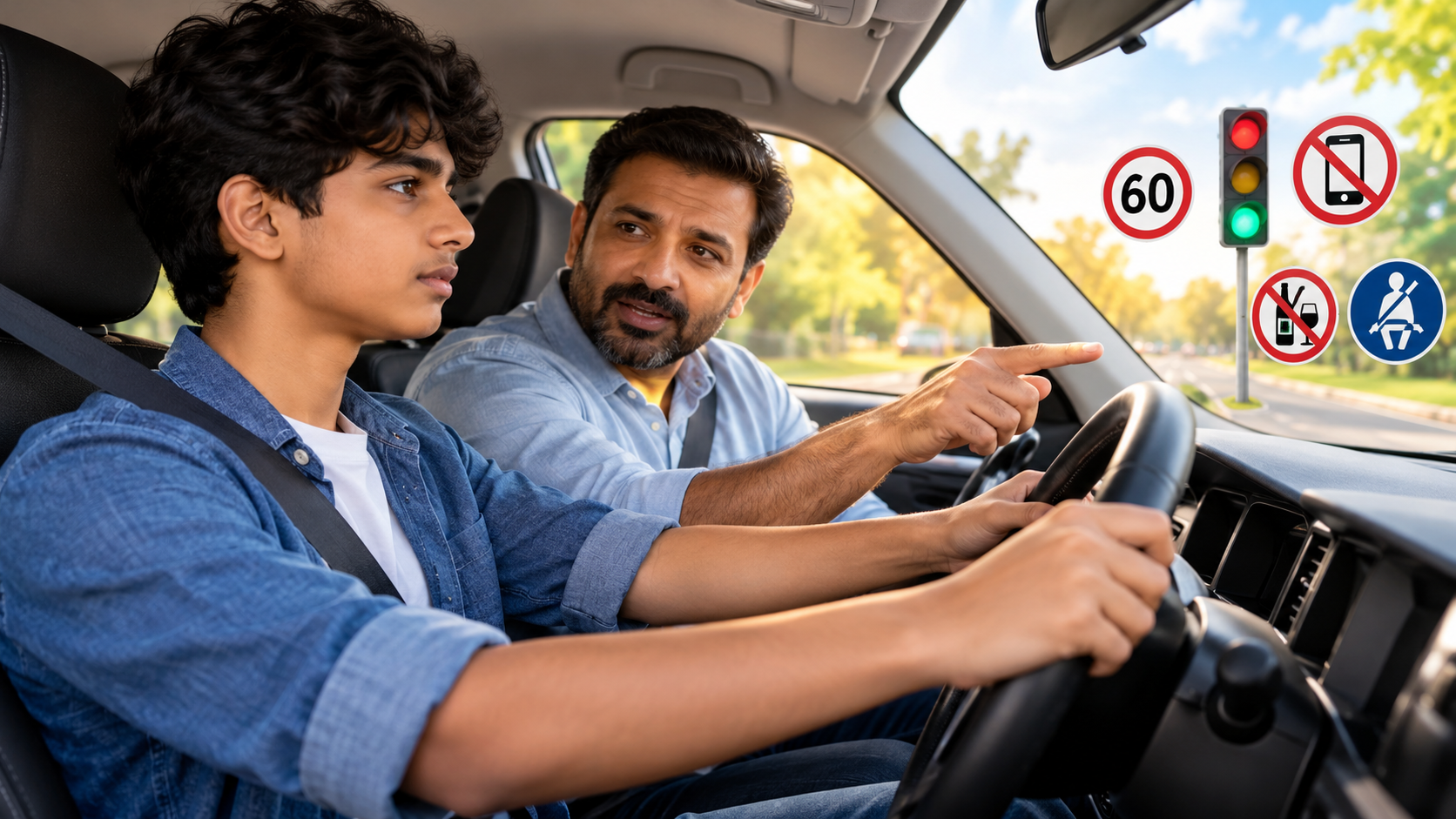
A driving licence gives someone permission to drive, but does it guarantee that they are ready to take responsibility for the lives around them?
Recent tragic road accidents involving young drivers have raised serious concerns about road safety, teenage behaviour, and responsible driving.
Behind every road accident are families, dreams, and lives that may be changed forever.
These incidents remind us that learning to drive is not just about controlling a vehicle. It is also about controlling our decisions, emotions, and behaviour.
As parents and educators, are we doing enough to prepare teenagers for these responsibilities?
For many teenagers, driving represents freedom, independence, and excitement.
However, driving is not about showing off expensive vehicles, impressing friends, or reaching destinations faster.
It is about making responsible decisions that protect both the driver and everyone sharing the road.
Parents should help teenagers understand that owning a vehicle is a privilege, while driving responsibly is an obligation.
Speed limits, traffic signals, seat belts, and other road safety regulations exist for a reason.
Every young driver must understand the importance of:
Following speed limits and traffic signals.
Wearing seat belts and helmets wherever applicable.
Never driving under the influence of alcohol or drugs.
Avoiding mobile phone use while driving.
Maintaining a safe distance from other vehicles.
Respecting pedestrians and other road users.
Driving only with the appropriate valid licence.
Following traffic rules is not simply about avoiding fines. It is about protecting human lives.
Personality development is often associated with confidence, communication skills, and leadership.
But true personality development goes much deeper.
A responsible individual must also develop self-discipline, patience, emotional control, and respect for others.
These qualities become especially important on the road.
A teenager who understands how to manage anger, resist peer pressure, and think before acting is better prepared to make responsible decisions.
Good driving requires more than technical skills. It requires maturity.
Teenagers sometimes feel pressured to impress their friends.
Whether it involves speeding, taking unnecessary risks, or ignoring safety rules, peer pressure can influence decision-making.
Parents should encourage open conversations about these situations.
Teenagers must learn that saying "NO" to unsafe behaviour is not a sign of weakness.
It is a sign of confidence, maturity, and responsibility.
Children learn many important lessons by observing their parents.
When parents follow traffic signals, wear seat belts, avoid distractions, and respect other road users, they demonstrate responsible behaviour.
However, when adults casually break traffic rules, children may begin to consider those behaviours acceptable.
Road safety education should therefore begin long before teenagers start driving.
The best way to teach responsible driving is to practise it ourselves.
Every parent wants their child to become independent.
Giving teenagers freedom is an important part of growing up, but freedom must be accompanied by responsibility.
Before allowing a teenager to drive, parents should consider whether they understand traffic regulations, recognise dangerous situations, and demonstrate responsible decision-making.
Young people should also understand that a valid licence and legal eligibility are essential before driving.
Instead of focusing only on what teenagers want, parents must also consider what they are prepared to handle responsibly.
Academic achievements are important, but education should also prepare students for real-life challenges.
Road safety awareness, moral values, emotional intelligence, and decision-making skills deserve equal attention.
Schools, parents, and educational institutions can work together to help young people become responsible citizens.
At Skool Guru, we believe education is not just about preparing students for examinations. It is about preparing them for life.
A vehicle can be purchased. Driving skills can be learned. A licence can be obtained.
But responsibility, patience, and respect for human life must be developed through consistent guidance and practice.
Every time a person gets behind the wheel, their decisions can affect many lives.
Let us raise a generation that understands the importance of safety over speed, responsibility over excitement, and human life over temporary thrills.
Because the true measure of a good driver is not how fast they reach their destination, but how safely they and everyone around them travel.
Skool Guru – Learning Beyond Textbooks.
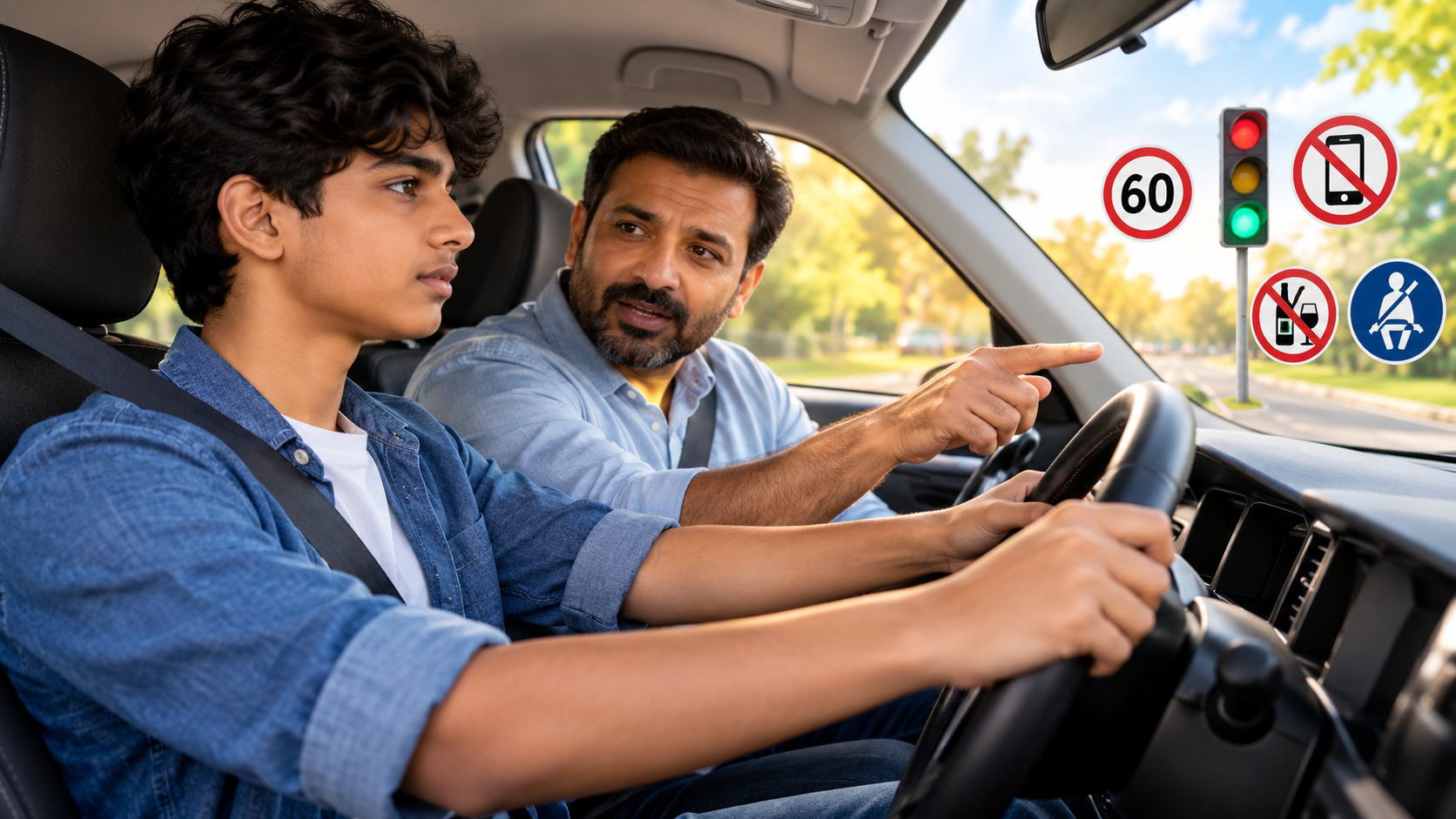
,A driving licence gives someone permission to drive, but does it guarantee that they are ready to take responsibility for the lives around them?
Recent tragic road accidents involving young drivers have raised serious concerns about road safety, teenage behaviour, and responsible driving.
Behind every road accident are families, dreams, and lives that may be changed forever.
These incidents remind us that learning to drive is not just about controlling a vehicle. It is also about controlling our decisions, emotions, and behaviour.
As parents and educators, are we doing enough to prepare teenagers for these responsibilities?
For many teenagers, driving represents freedom, independence, and excitement.
However, driving is not about showing off expensive vehicles, impressing friends, or reaching destinations faster.
It is about making responsible decisions that protect both the driver and everyone sharing the road.
Parents should help teenagers understand that owning a vehicle is a privilege, while driving responsibly is an obligation.
Speed limits, traffic signals, seat belts, and other road safety regulations exist for a reason.
Every young driver must understand the importance of:
Following speed limits and traffic signals.
Wearing seat belts and helmets wherever applicable.
Never driving under the influence of alcohol or drugs.
Avoiding mobile phone use while driving.
Maintaining a safe distance from other vehicles.
Respecting pedestrians and other road users.
Driving only with the appropriate valid licence.
Following traffic rules is not simply about avoiding fines. It is about protecting human lives.
Personality development is often associated with confidence, communication skills, and leadership.
But true personality development goes much deeper.
A responsible individual must also develop self-discipline, patience, emotional control, and respect for others.
These qualities become especially important on the road.
A teenager who understands how to manage anger, resist peer pressure, and think before acting is better prepared to make responsible decisions.
Good driving requires more than technical skills. It requires maturity.
Teenagers sometimes feel pressured to impress their friends.
Whether it involves speeding, taking unnecessary risks, or ignoring safety rules, peer pressure can influence decision-making.
Parents should encourage open conversations about these situations.
Teenagers must learn that saying "NO" to unsafe behaviour is not a sign of weakness.
It is a sign of confidence, maturity, and responsibility.
Children learn many important lessons by observing their parents.
When parents follow traffic signals, wear seat belts, avoid distractions, and respect other road users, they demonstrate responsible behaviour.
However, when adults casually break traffic rules, children may begin to consider those behaviours acceptable.
Road safety education should therefore begin long before teenagers start driving.
The best way to teach responsible driving is to practise it ourselves.
Every parent wants their child to become independent.
Giving teenagers freedom is an important part of growing up, but freedom must be accompanied by responsibility.
Before allowing a teenager to drive, parents should consider whether they understand traffic regulations, recognise dangerous situations, and demonstrate responsible decision-making.
Young people should also understand that a valid licence and legal eligibility are essential before driving.
Instead of focusing only on what teenagers want, parents must also consider what they are prepared to handle responsibly.
Academic achievements are important, but education should also prepare students for real-life challenges.
Road safety awareness, moral values, emotional intelligence, and decision-making skills deserve equal attention.
Schools, parents, and educational institutions can work together to help young people become responsible citizens.
At Skool Guru, we believe education is not just about preparing students for examinations. It is about preparing them for life.
A vehicle can be purchased. Driving skills can be learned. A licence can be obtained.
But responsibility, patience, and respect for human life must be developed through consistent guidance and practice.
Every time a person gets behind the wheel, their decisions can affect many lives.
Let us raise a generation that understands the importance of safety over speed, responsibility over excitement, and human life over temporary thrills.
Because the true measure of a good driver is not how fast they reach their destination, but how safely they and everyone around them travel.
Skool Guru – Learning Beyond Textbooks.

.png)