Loading advertisement...
Advertisement Popup
Advertisement content with navigation options
Loading advertisement...


16-10-2026
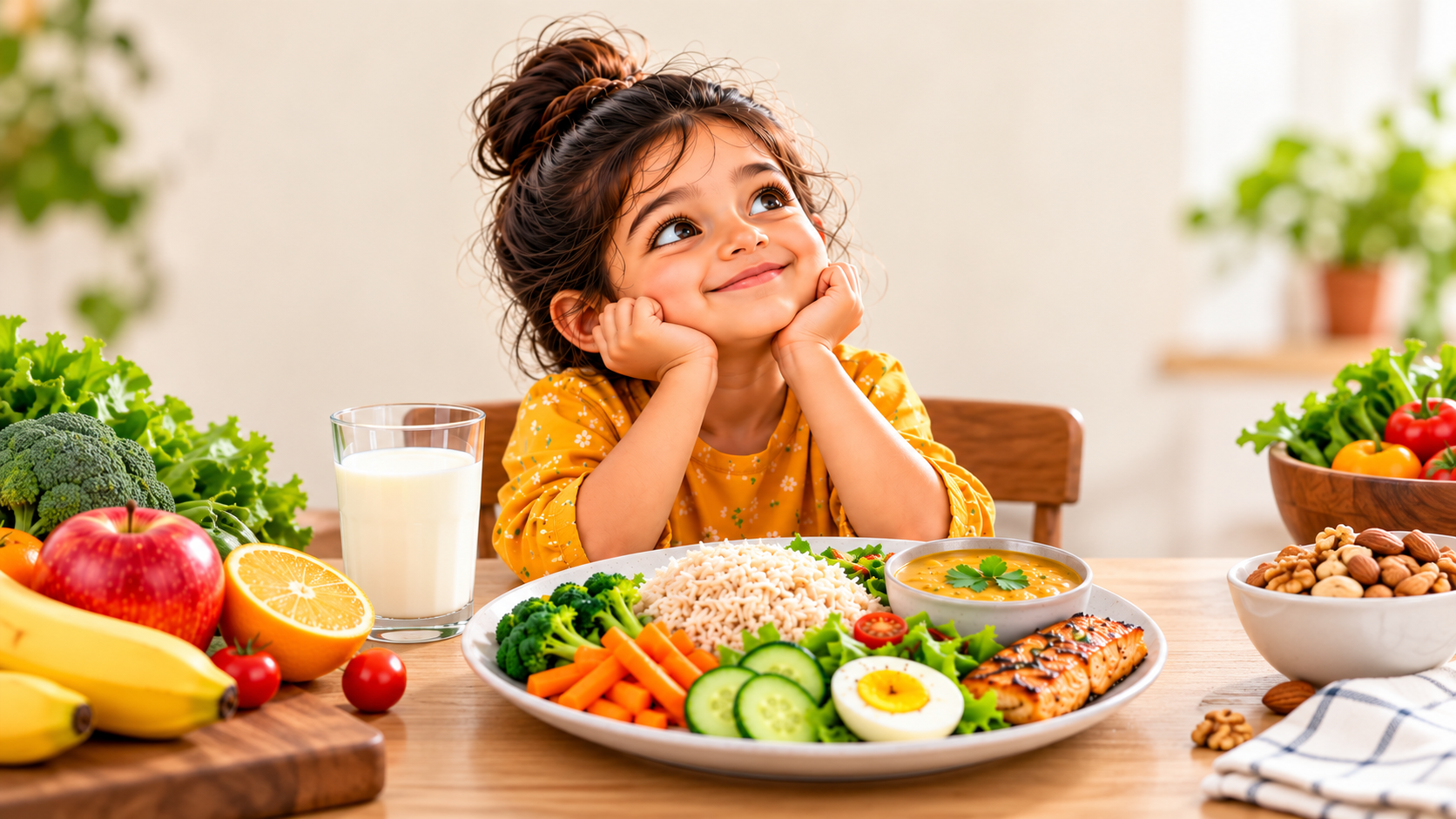
World Food Day Special | October 16
Every parent wants their child to grow up healthy, active, and confident. But have you ever wondered whether your child's daily meals provide all the nutrients they need?
A full stomach doesn't always mean a well-nourished body. Children need a variety of nutrients to support physical growth, brain development, immunity, and learning.
On World Food Day, let's explore why balanced meals matter and how parents can build healthier eating habits at home.
A balanced meal contains a variety of foods that provide the nutrients our bodies need to function properly.
For growing children, these include:
Carbohydrates: Provide energy for studying, playing, and everyday activities.
Proteins: Support growth and help build and repair body tissues.
Healthy fats: Contribute to brain development and overall health.
Vitamins and minerals: Support immunity, strong bones, and normal body functions.
Fibre: Supports digestion and gut health.
Water: Helps maintain hydration and supports essential body processes.
A balanced diet is not about eating expensive or complicated meals. It is about including a variety of nutritious foods in appropriate portions throughout the day.
Children's brains require a steady supply of energy and essential nutrients.
Foods such as whole grains, fruits, vegetables, eggs, nuts, and fish can contribute to a nutritious diet that supports brain health.
Regular, balanced meals also help children maintain the energy needed to participate in classroom activities.
Childhood is a period of continuous physical development.
Proteins, calcium, iron, vitamin D, and other essential nutrients support muscle development, bone health, and overall growth.
Including foods such as milk, curd, pulses, leafy vegetables, eggs, and other nutritious options helps children meet their nutritional needs.
A varied diet provides vitamins and minerals that help the immune system function normally.
Fruits, vegetables, whole grains, and protein-rich foods all contribute to a healthy eating pattern.
No single food can prevent every illness, but balanced nutrition is an important part of maintaining good health.
Schoolchildren spend their days learning, playing, and participating in different activities.
Balanced meals and nutritious snacks help provide the energy they need throughout the day.
Skipping meals or relying mainly on foods with limited nutritional value may make it harder to meet daily nutrient needs.
A simple way to introduce balanced eating is to think about the different food groups on your child's plate.
As a general visual guide:
| Portion | Food examples |
|---|---|
| About ½ plate | Vegetables and fruits |
| About ¼ plate | Rice, chapati, or other grains |
| About ¼ plate | Dal, beans, eggs, fish, or other protein foods |
| Alongside | Milk, curd, or suitable alternatives and water |
These proportions are flexible guidelines rather than strict rules. Children's nutritional requirements vary according to their age, growth, activity level, and individual needs.
Parents can create nutritious meals using familiar, affordable ingredients.
For example, a traditional Kerala lunch containing rice, sambar, vegetable thoran, and an egg or fish can provide several important nutrients.
Healthy eating doesn't require abandoning traditional foods. Small improvements to everyday meals can make a meaningful difference.
A nutritious breakfast helps children begin their day with energy.
Idli with sambar, dosa with egg, puttu with kadala curry, or oats with fruit are some practical options.
Different fruits and vegetables provide different nutrients.
Encourage children to explore a variety of colours, flavours, and textures rather than eating the same foods every day.
Instead of relying mainly on packaged snacks, offer options such as fresh fruit, curd, boiled chickpeas, or age-appropriate nuts.
Water is essential for maintaining hydration.
Encourage children to drink water regularly, particularly during school activities and outdoor play.
Avoid forcing children to finish everything on their plates.
Offer suitable portions, allow children to recognise their hunger and fullness, and introduce unfamiliar foods patiently.
Eating together as a family can also help children develop positive relationships with food.
Some children may hesitate to try vegetables or unfamiliar foods.
Rather than turning meals into a struggle, parents can make nutritious eating enjoyable.
Try involving children in simple food preparation, allowing them to choose between healthy options, and serving familiar foods alongside new ones.
For example, children can help wash vegetables, arrange fruit on a plate, or select ingredients for their lunchbox.
When children participate in preparing meals, they may become more curious about the foods they eat.
Remember that developing healthy eating habits takes time, patience, and consistency.
World Food Day, observed every year on October 16, reminds us of the importance of food security, nutrition, and sustainable food systems.
It is also an opportunity to teach children that food should never be taken for granted.
Parents and educators can encourage children to understand the effort behind food production, respect the work of farmers, avoid unnecessary food waste, and appreciate the meals available to them.
Teaching children to take appropriate portions and save leftovers safely can help build responsible habits.
Healthy eating is not only about choosing nutritious food. It is also about developing respect for food and the people who produce it.
Children develop many of their habits by observing adults.
When parents practise balanced eating, involve children in food-related activities, and create positive mealtime experiences, they help establish healthy routines.
Schools can reinforce these lessons through nutrition awareness activities, educational discussions, and practical learning experiences.
Together, parents and educators can help children understand the connection between food
health, and lea Healthy Food, Healthy Future
A balanced meal is more than just food on a plate. It provides essential nutrients that support children's growth, development, and everyday activities.
Healthy eating doesn't have to be complicated. Including a variety of nutritious foods, encouraging regular meals, and building positive eating habits can make a lasting difference.
This World Food Day, let's encourage children to make informed food choices, appreciate the value of food, and develop habits that support lifelong well-being.
At Skool Guru, we believe education goes beyond textbooks. Helping children develop healthy habits is an important part of preparing them for a brighter future.



.png)